
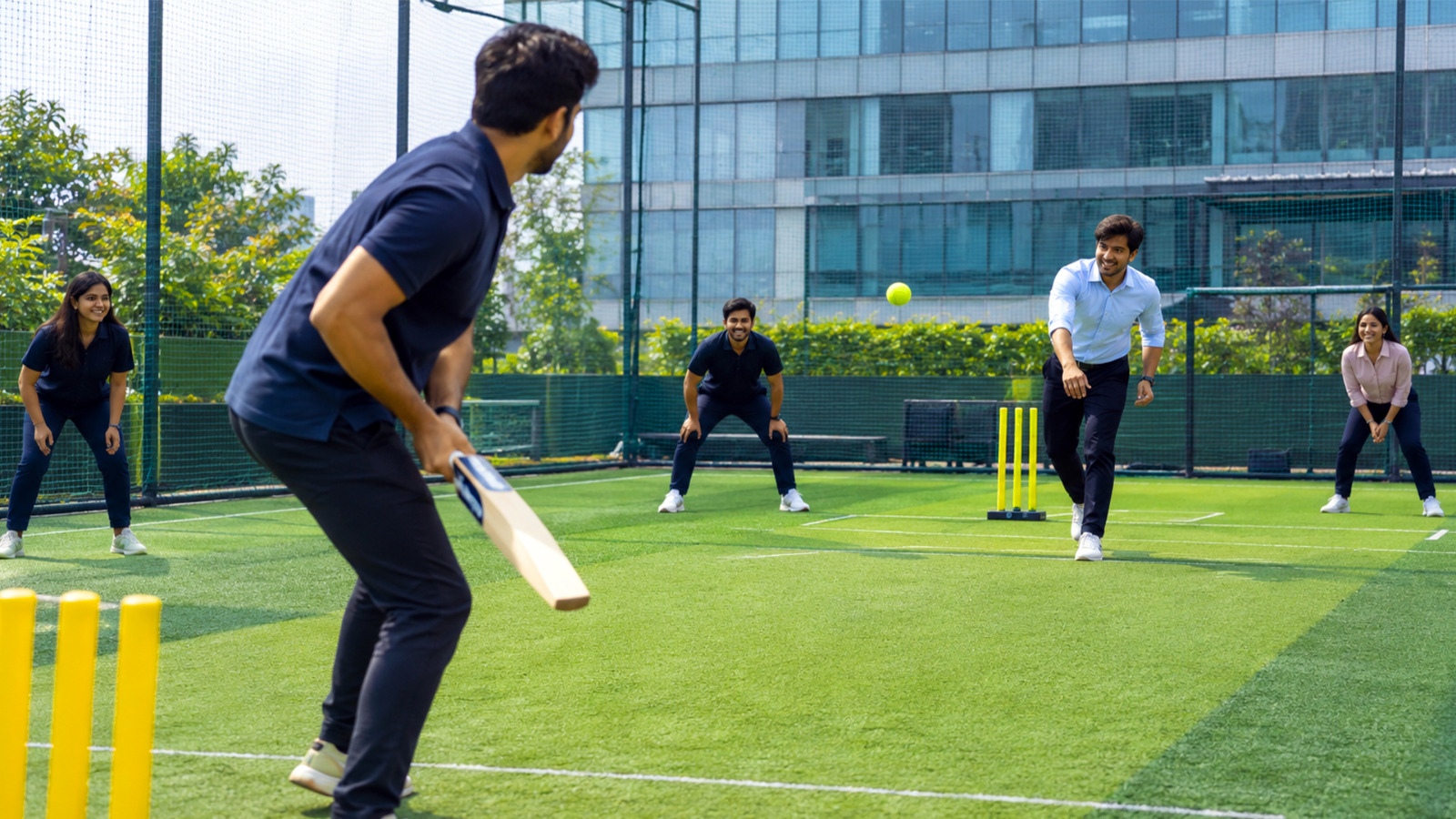
Multi-sport facilities help build stronger sports communities by bringing different games, players and sporting activities into one shared environment. With access to regular play, organised matches, leagues and tournaments, recreational players, working professionals and corporate groups have more reasons to stay active and connected. The real value lies not simply in offering multiple sports, but in creating an environment where people keep returning to play, compete and build lasting sporting relationships.
A Sports Community Begins With More Than a Place to Play
Finding a place to play is usually not the most difficult part of playing sport. The bigger challenge is finding a venue that gives people enough reasons to return.
A playing surface can host a match, but a sporting community develops through what happens around it. Players meet regularly, friends organise their next game, teams begin to recognise familiar opponents, and casual matches gradually lead to more organised competition.
This is where multi-sport facilities become valuable. By bringing different sporting activities into one environment, they create more opportunities for people with different interests to participate. A football enthusiast, a cricket group and a badminton player may have different reasons for visiting, but each can become part of a wider sporting environment.
The number of sports available is only the starting point. The real opportunity is to turn occasional visits into regular participation and regular participation into a shared sporting culture.
Multiple Sports Create More Opportunities for Regular Participation
People have different sporting preferences, schedules and levels of experience. Some enjoy the intensity of football, others prefer the tactical nature of cricket, while badminton and pickleball appeal to people who enjoy quick reactions, precision and racket-based competition.
A multi-sport facility can accommodate more of these interests within a shared setting. This makes it easier for friends, colleagues and recreational groups to find activities they can enjoy together, even when their favourite sports differ.
Variety can also help keep participation interesting. Someone who regularly plays football may want to try pickleball. A cricket enthusiast may enjoy a badminton session with friends. Trying another sport introduces a fresh challenge without requiring players to abandon their existing interests.
For a facility, this creates more opportunities for repeat participation. For players, it makes sport easier to fit into different parts of their lives, from an after-work game to a weekend gathering.
Leagues and Tournaments Give Competition a Shared Purpose
Recreational sport becomes more engaging when players have something to work towards. A friendly match may provide enough excitement for one evening, but leagues and tournaments can give groups a longer-term reason to stay involved.
Teams develop their own identities. Fixtures create anticipation. Players remember close finishes, celebrate victories and look forward to settling unfinished rivalries in the next match.
This is where the competitive character of sport becomes a powerful social force. Friends who arrive for a casual game can become determined opponents once the score tightens. The banter becomes sharper, every point matters, and everyone wants the final word. When the match ends, the rivalry becomes part of the shared story that brings the group together again.
Organised sporting events also create opportunities for wider participation. Local teams, amateur players and community groups can compete in a more structured environment, while event hosting and tournament administration can help coordinate the experience.
A venue that supports both everyday games and organised competition can therefore play a role beyond individual bookings. It can become a setting where sporting relationships develop over time.
Regular Access to Sport Matters in Busy Urban Lives
For working professionals, finding time for physical activity can be difficult. Long working hours, commuting and screen-heavy routines often leave limited energy for another scheduled commitment.
A convenient sporting venue can make the decision to play easier. An evening football match, a cricket session with colleagues or a weekend racket-sport game provides a practical way to make movement part of everyday life.
Sport also offers a different kind of engagement from work. Players must react, move, communicate and make decisions in real time. The focus shifts from deadlines and responsibilities to the immediate demands of the game.
The appeal is not limited to stress relief. Playing with colleagues can strengthen relationships outside the workplace, while regular games provide a shared activity that does not revolve around professional roles.
For businesses, organised corporate football, cricket events and tournaments can create opportunities for employees to compete, collaborate and spend time together in a different setting. The sporting experience becomes the common ground.
The Features That Make a Multi-Sport Facility Worth Returning To FIFA approved Sports Field
Offering several sports is not enough to create a dependable sporting environment. The facility must also support the experience players expect from each visit.
The playing surface matters because movement, grip, ball response and consistency affect how a game feels. Different sports also have different requirements, so the suitability of the playing area should be considered for the activities offered.
Operating hours influence whether players can fit a game around work or other commitments. Practical amenities such as parking, restrooms, drinking water, seating and viewing areas can make a visit more convenient, particularly when groups spend extended periods at the venue.
Facilities that support organised matches, tournaments and recurring participation can offer additional value to teams and sporting communities. Digital booking options can also help players coordinate sessions more easily.
Ultimately, a good facility combines suitable playing conditions with the practical support that makes regular participation possible.
Multi-Sport Facilities Can Support Corporate Sport and Team Building
Corporate sport gives employees an opportunity to interact beyond their usual workplace responsibilities. A shared game creates a different dynamic: colleagues must communicate, respond to one another and work towards a common result.
A corporate sports facility can support these activities through football, cricket and other sports, depending on the available playing areas and services. A corporate tournament can add structure by introducing teams, fixtures and a shared competitive objective.
For organisations looking to organize corporate tournament activities, the venue needs to support more than the game itself. Scheduling, event coordination, participant facilities and the format of the competition all contribute to the experience.
Multi-sport environments can offer flexibility for organisations whose employees have different interests. They can also provide opportunities to organise different sporting activities over time, rather than relying on a single event format.
When planned well, corporate sport becomes more than a one-day activity. It can create shared experiences that employees remember and look forward to repeating.
From a Sports Venue to a Lasting Part of the Community
A venue becomes more meaningful when people have reasons to return beyond a single match.
Regular games can lead to organised fixtures. Fixtures can develop into leagues. Tournaments can bring together teams that might otherwise never meet. Along the way, familiar players build relationships, friendly rivalries take shape and sporting routines become part of people’s lives.
Membership options, multiple sporting activities and event support can help facilitate continued participation, but the community itself develops through the people who use the venue. Their commitment to showing up, playing together and returning for the next game gives the environment its character.
This is why the strongest multi-sport facilities should not be judged only by the number of sports they offer or the number of bookings they receive. Their broader value lies in the sporting relationships and recurring experiences they help make possible.
Let Kolkata’s Sporting Interests Come Together
Blaze Turf brings football and futsal, cricket, badminton and pickleball together within one multi-sport environment in Kolkata. Its offering includes round-the-clock operations, membership options and support for organised matches, tournaments and corporate sporting activities.
For a group of friends, that can mean finding a shared place to play and turning a casual plan into a regular fixture. For working professionals, it can mean making room for an energetic game after a demanding day. For teams and organisations, it can mean having a setting for structured competition and shared sporting experiences.
Blaze Turf’s aggregate-based dynamic turf system is described as supporting shock absorption, ball movement and consistent gameplay. The business also identifies its turf system as FIFA-approved. Players should still consider the suitability of the relevant playing area for their chosen sport and activity.
The larger opportunity is what happens when people keep coming back. A football match becomes a rivalry. A cricket session becomes a team tradition. A new sport becomes a shared discovery. Gradually, the venue becomes part of the group’s sporting routine.
A sports community is not built simply by opening a venue. It grows when people have a place to play, a reason to compete and something to look forward to the next time they return.